
Can gambling be an art form? Exploring the creative side
The Aesthetic Aspects of Gambling
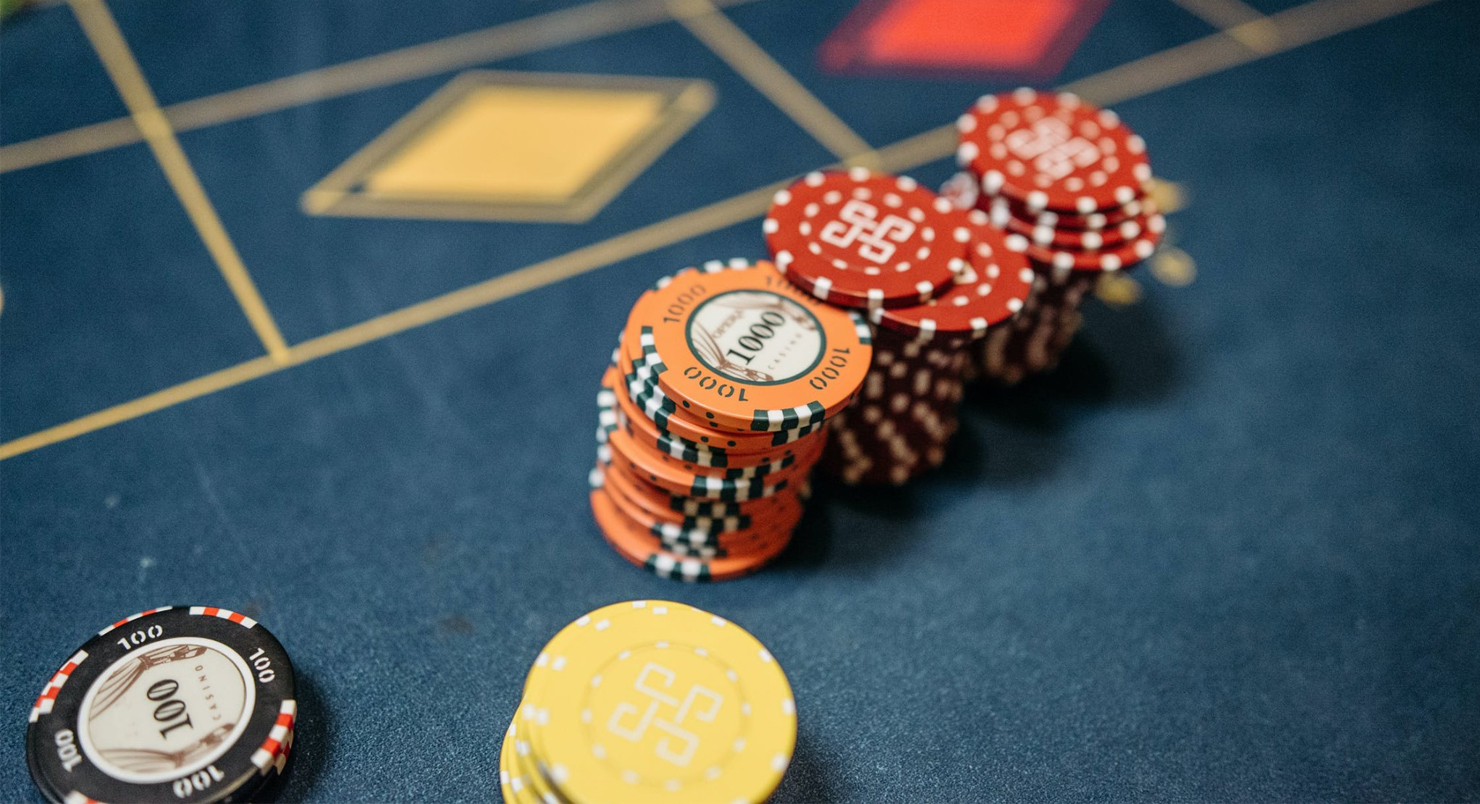
When we consider gambling, the immediate thoughts often revolve around risk, chance, and monetary gain. However, an artistic perspective reveals a rich tapestry of colors, designs, and atmospheres that create a unique experience. The allure of a bustling casino, with its dazzling lights, intricate architecture, and well-crafted game tables, can be likened to a performance art piece where every element plays a role in evoking emotion and curiosity. The visual elements are meticulously designed to engage and captivate, making environments where winnings and losses transform into a theatrical experience.
Additionally, the games themselves often embody artistic attributes. From the graphics in modern video slots to the elegant layout of a poker table, these elements contribute to the sensory experience of gambling. The interplay of chance and design allows players to immerse themselves fully, much like one would in a gallery filled with masterpieces. This intersection of art and gambling challenges our conventional views about what constitutes art, pushing boundaries into playful realms of creativity.
The Role of Chance and Skill
The debate over whether gambling can be deemed an art form doesn’t merely rest on aesthetic components; it also involves elements of strategy and unpredictability. While games of chance like roulette might seem purely luck-based, the skillful player interprets each spin’s possibilities, weaving narratives around potential outcomes. This blend of chance and skill adds a layer of complexity reminiscent of creative processes like painting or writing, where an artist must navigate through inspiration and uncertainty.
In fact, many players develop their personal strategies that reflect their individual styles, similar to artistic expression. Just as a painter might choose specific colors or brush techniques, gamblers select games and tactics based on their preferences and experiences, allowing their personalities to shine. This element of personalization in gambling invites a subjective interpretation of the experience, where winning or losing becomes part of a larger, self-crafted story.
Emotional Expression in Gambling
Gambling is not solely about financial gain or loss; it is also a medium for emotional exploration. The thrill of winning, the despair of losing, and the adrenaline rush of high-stakes games evoke deep emotional responses that are integral to the experience. This emotional journey can be paralleled to the catharsis often found in various forms of art, where the highs and lows mirror the human condition.
Cultural Interpretations of Gambling
The cultural dimension of gambling further enhances its artistic qualities. Different societies view gambling through varied lenses, from celebratory practices during festivals to superstitions that shape the way games are played. These cultural interpretations infuse gambling with narrative depth, turning it into a shared experience that mimics the ways art serves as a bridge between communities.
Conclusion: Gambling as an Art Experience
In exploring whether gambling can be considered an art form, it becomes clear that its artistic qualities extend beyond mere aesthetics. The interplay of visual design, emotional responses, and cultural narratives all contribute to a rich experiential palette that deserves recognition. Like traditional art forms, gambling encapsulates human experiences, inviting creativity and personalized expressions.
best online pokies australia, can provide an opportunity to delve deeper into the interplay between chance, creativity, and emotion in the gambling world.